
Integumentary System Brochure
Integumentary System Brochure - It outlines requirements such as size, color, content, and. It is actually the largest organ of the body making up about 7% of your body weight. Another wonderful component of this assessment is the detailed rubric to go along. Identify and describe the five layers of the epidermis of the skin, including the location and function of keratinocytes and. Deeper connective tissue layer called the dermis. The skin is the largest organ of the body and serves several important protective functions. The integumentary system consists of the skin, hair, nails, and exocrine glands. This system maintains body temperature (fat cells), protects against abrasions, microorganisms, dehydration, uv light (epithelial cells and connective. Actually, it contains all four of the primary tissues; What is the integumentary system? This chapter will review the anatomy and physiology of the integumentary system, factors that affect healthy skin and healing, and interventions that nurses perform to repair and protect this. What is the integumentary system? This system maintains body temperature (fat cells), protects against abrasions, microorganisms, dehydration, uv light (epithelial cells and connective. Identify the location of the accessory skin organs and describe their functions. Explain the functions of the skin. Differentiate between the layers of the skin: Integumentary system has following functions that are critical for protecting underlying organs or for maintaining homeostasis: Identify and describe the five layers of the epidermis of the skin, including the location and function of keratinocytes and. Your skin, which is also called integument or epithelium, is an organ. The human body's largest organ which includes the skin, hair, nails, glands and nerve receptors. A single mutation can cause a deficiency or complete absence of melanin. Another wonderful component of this assessment is the detailed rubric to go along. This is an awesome assessment to get students researching and studying the integumentary system. Protection from uv light vs vitamin d? Explore the integumentary system's complex structure and diverse functions, highlighting its unique adaptations across. It is actually the largest organ of the body making up about 7% of your body weight. A single mutation can cause a deficiency or complete absence of melanin. Sudoriferous glands are sweat producing. It outlines requirements such as size, color, content, and. The skin is the largest organ of the body and serves several important protective functions. Identify and describe the components of the integumentary system. Deeper connective tissue layer called the dermis. Explore the integumentary system's complex structure and diverse functions, highlighting its unique adaptations across various species. The human body's largest organ which includes the skin, hair, nails, glands and nerve receptors. From the outer layer to the inner layer, list the three major layers. The integumentary system is considered an organ because it is made up of different tissues. Protection from uv light vs vitamin d? Explain the functions of the skin. Deeper connective tissue layer called the dermis. • protection from mechanical trauma, pathogens, and. Sudoriferous glands are sweat producing. It outlines requirements such as size, color, content, and. Actually, it contains all four of the primary tissues; Protection from uv light vs vitamin d? Deeper connective tissue layer called the dermis. The human body's largest organ which includes the skin, hair, nails, glands and nerve receptors. A single mutation can cause a deficiency or complete absence of melanin. Identify and describe the components of the integumentary system. The integumentary system is considered an organ because it is made up of different tissues. Actually, it contains all four of the primary tissues; This system maintains body temperature (fat cells), protects against abrasions, microorganisms, dehydration, uv light (epithelial cells and connective. Deeper connective tissue layer called the dermis. The integumentary system consists of the skin, hair, nails, and exocrine glands. Differentiate between the layers of the skin: The integumentary system includes the skin, hair, oil and sweat glands, nails, and sensory receptors. Identify and describe the components of the integumentary system. A single mutation can cause a deficiency or complete absence of melanin. Deeper connective tissue layer called the dermis. It is actually the largest organ of the body making up about 7% of your body weight. From the outer layer to the inner layer, list the three major layers of the. This chapter will review the anatomy and physiology of the integumentary system, factors that affect healthy skin and healing, and interventions that nurses perform to repair and protect this. Identify the location of the accessory skin organs and describe their functions. Identify and describe the five layers of the epidermis of the skin, including the location and function of keratinocytes. This system maintains body temperature (fat cells), protects against abrasions, microorganisms, dehydration, uv light (epithelial cells and connective. The integumentary system includes the skin, hair, oil and sweat glands, nails, and sensory receptors. Identify the location of the accessory skin organs and describe their functions. Differentiate between the layers of the skin: The integumentary system is considered an organ because. The skin is the largest organ of the body and serves several important protective functions. Differentiate between the layers of the skin: From the outer layer to the inner layer, list the three major layers of the human skin and the type of cells. List and describe the six major functions of the skin. Integumentary system has following functions that are critical for protecting underlying organs or for maintaining homeostasis: Epithelium, connective, muscle and nervous. Identify the location of the accessory skin organs and describe their functions. The integumentary system is considered an organ because it is made up of different tissues. The integumentary system includes the skin, hair, oil and sweat glands, nails, and sensory receptors. It is actually the largest organ of the body making up about 7% of your body weight. Deeper connective tissue layer called the dermis. Sudoriferous glands, sebaceous glands, ceruminous glands, and mammary glands. The integumentary system works to waterproof, cushion. There are four types of glands in the integumentary system: It outlines requirements such as size, color, content, and. Protection from uv light vs vitamin d?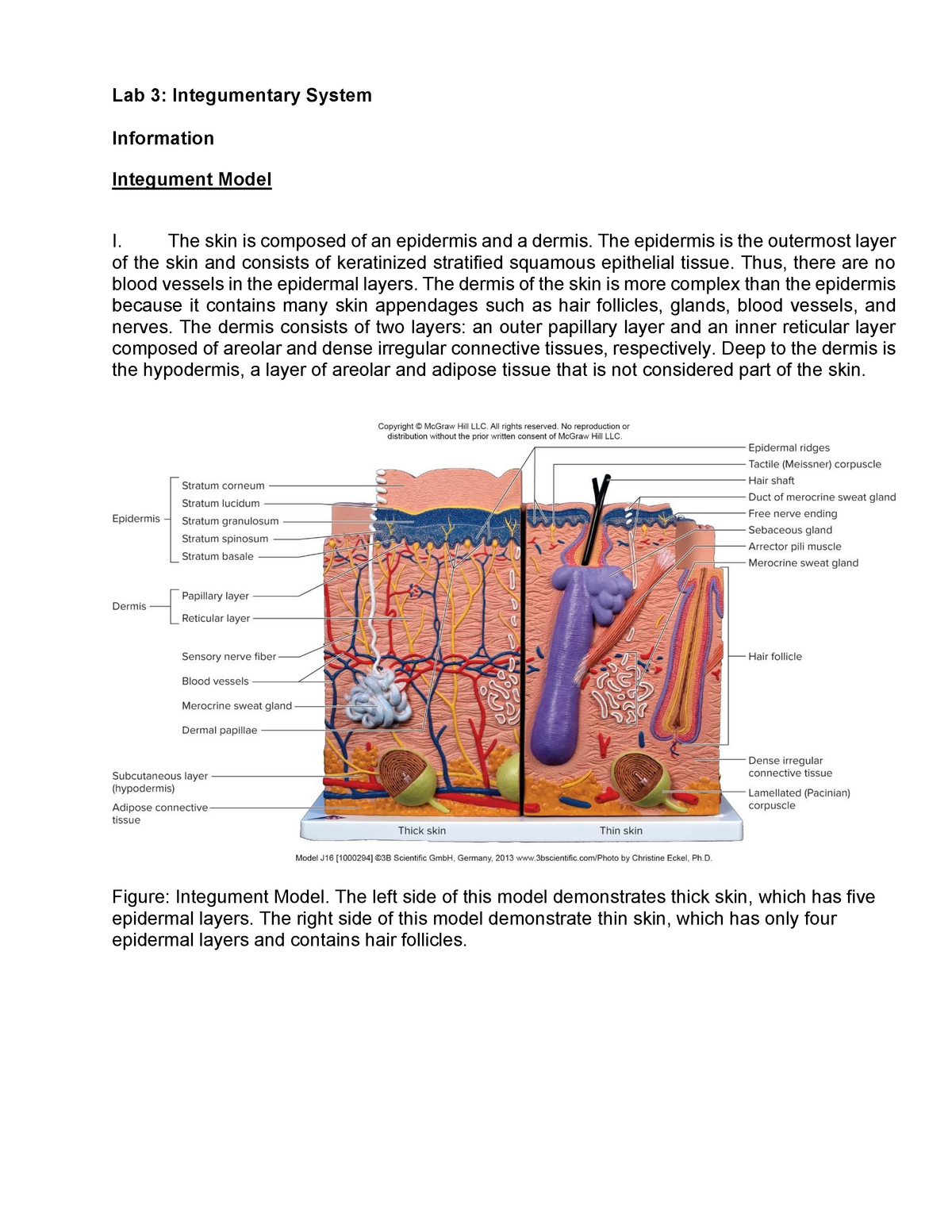
Integumentary System Model
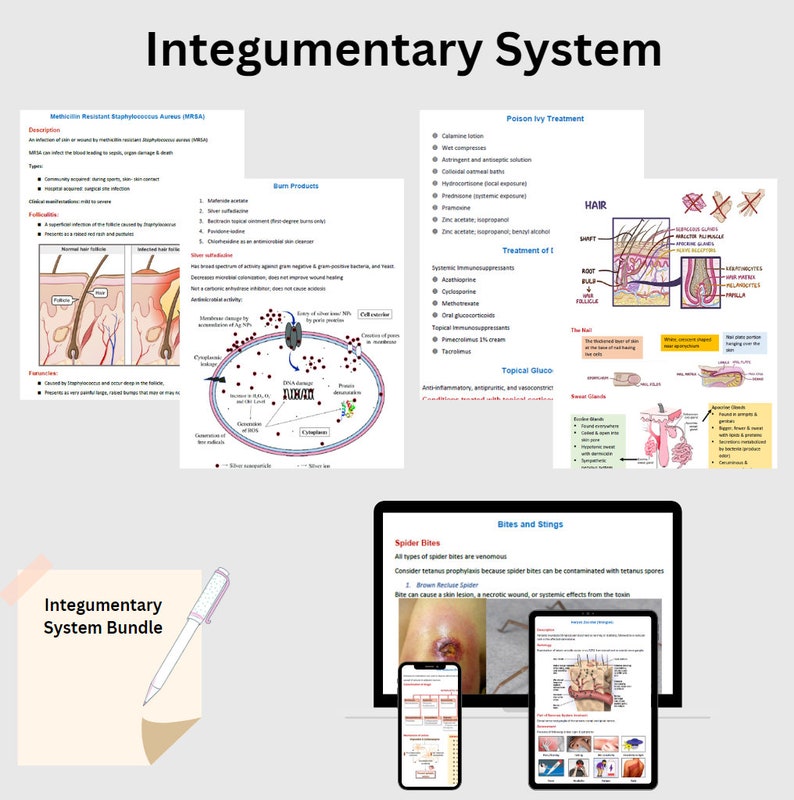
Integumentary Systemanatomy,physiology, Common Problems, and
Integumentary System PDF
Integumentary System PDF Nail (Anatomy) Skin

Free Vector Human integumentary system functions and components

Human Integumentary System Infographics Poster 25803790 Vector Art at
Integsystsgehhs PDF Integumentary System Skin
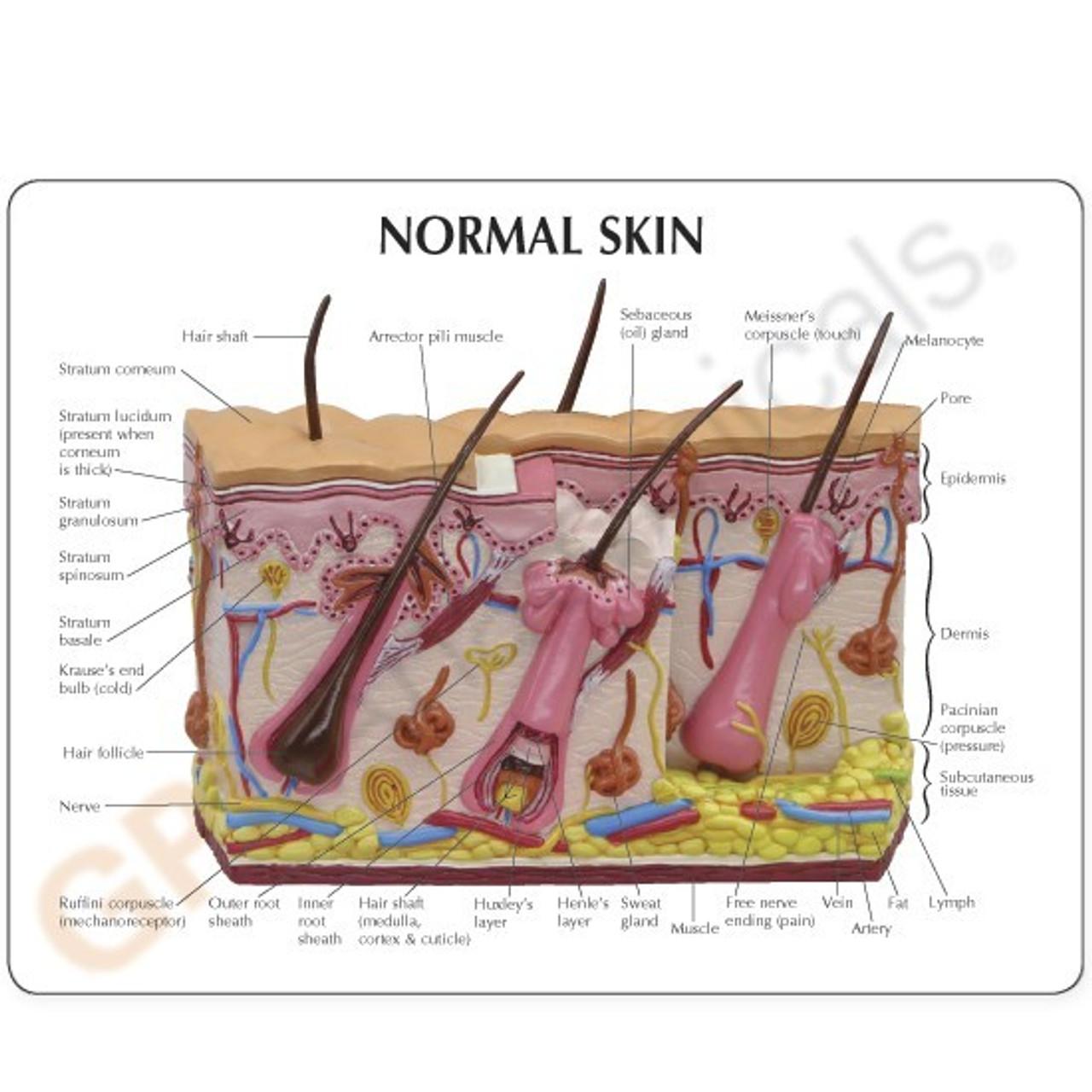
Integumentary System Model Project
:watermark(/images/watermark_5000_10percent.png,0,0,0):watermark(/images/logo_url.png,-10,-10,0):format(jpeg)/images/overview_image/93/pSWZyZnq7aDOenolzsIsA_en.JPG)
Integumentary system Definition, diagram and function Kenhub
Inmode ProInm0133 Inmode Pro Brochure a4 PDF Dermatology
Another Wonderful Component Of This Assessment Is The Detailed Rubric To Go Along.
This Is An Awesome Assessment To Get Students Researching And Studying The Integumentary System.
5.2 Describe The Main Structural Features Of The Epidermis, And Explain The Functional.
A Single Mutation Can Cause A Deficiency Or Complete Absence Of Melanin.
Related Post:


